Renewable Energy
The Advantages of Renewable Energy Sources
Renewable energy sources have been gaining popularity in recent years as the world becomes more aware of the negative impacts of traditional fossil fuels. These renewable sources, such as solar, wind, hydro, and geothermal energy, are not only better for the environment, but they also offer numerous advantages over non-renewable energy sources.
One of the main advantages of renewable energy sources is their sustainability. Unlike fossil fuels, which are finite resources that will eventually run out, renewable energy sources are constantly replenished by nature. This means that as long as the sun shines, the wind blows, and the water flows, we will have access to these sources of energy. This makes renewable energy a more reliable and long-term solution for meeting our energy needs.
Another advantage of renewable energy sources is their low environmental impact. Fossil fuels, when burned, release harmful greenhouse gases into the atmosphere, contributing to climate change. On the other hand, renewable energy sources produce little to no emissions, making them a much cleaner option. This not only helps to reduce air pollution, but it also mitigates the negative effects of climate change.
In addition to being environmentally friendly, renewable energy sources also offer economic benefits. The cost of producing renewable energy has significantly decreased in recent years, making it more affordable than ever before. This has led to a rise in job opportunities in the renewable energy sector, creating a positive impact on the economy. Furthermore, since renewable energy sources are not subject to price fluctuations like fossil fuels, they provide a more stable and predictable source of energy, reducing the risk of energy price spikes.
Renewable energy sources also offer energy independence. Many countries rely heavily on imported fossil fuels to meet their energy needs, which can leave them vulnerable to price fluctuations and supply disruptions. By investing in renewable energy sources, countries can reduce their dependence on foreign energy sources and become more self-sufficient. This not only strengthens their economy but also increases their energy security.
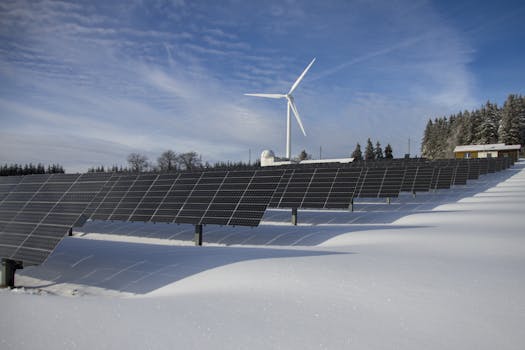
Another advantage of renewable energy sources is their versatility. Unlike traditional energy sources, which are often limited to specific geographical locations, renewable energy sources can be harnessed almost anywhere. Solar panels can be installed on rooftops, wind turbines can be placed in open fields, and hydroelectric dams can be built on rivers. This allows for a more widespread distribution of energy production, reducing the need for long-distance transmission lines and making energy more accessible to remote areas.
Renewable energy sources also have a lower risk of accidents and disasters. Fossil fuel extraction and transportation can be dangerous and can lead to devastating accidents, such as oil spills and explosions. Renewable energy sources, on the other hand, have a much lower risk of accidents, making them a safer option for both the environment and human health.
Finally, renewable energy sources offer a more sustainable future for generations to come. By reducing our reliance on non-renewable energy sources, we can help to preserve these resources for future generations. This will also help to mitigate the negative impacts of climate change, ensuring a healthier planet for our children and grandchildren.
In conclusion, the advantages of renewable energy sources are numerous and significant. From their sustainability and low environmental impact to their economic benefits and versatility, renewable energy sources offer a more sustainable and secure future for both the environment and society. As we continue to invest in and develop these sources of energy, we can move towards a cleaner, more sustainable, and more prosperous future.
The Future of Renewable Energy: Trends and Predictions
Renewable energy has been gaining momentum in recent years as the world becomes more aware of the negative impacts of traditional fossil fuels on the environment. As we move towards a more sustainable future, the demand for renewable energy sources is expected to continue to rise. In this article, we will explore the current trends and make predictions for the future of renewable energy.
One of the most significant trends in renewable energy is the increasing use of solar power. Solar energy has become more affordable and accessible, making it a popular choice for both residential and commercial use. In fact, according to the International Energy Agency (IEA), solar energy is the fastest-growing source of renewable energy, with an estimated 22% increase in global capacity in 2020 alone.
Another trend that is gaining traction is the use of wind power. Wind energy has been around for decades, but advancements in technology have made it more efficient and cost-effective. According to the IEA, wind energy is expected to grow by 56% in the next five years, making it the second-largest source of renewable energy after solar.
The use of hydropower, which has been around for centuries, is also expected to increase in the coming years. Hydropower is the most widely used form of renewable energy, accounting for over 16% of global electricity production. With the development of new technologies, such as tidal and wave energy, the potential for hydropower is even greater.
One of the most exciting predictions for the future of renewable energy is the rise of bioenergy. Bioenergy is derived from organic matter, such as plants and animal waste, and can be used to produce electricity, heat, and transportation fuels. With the increasing focus on reducing carbon emissions, bioenergy is expected to play a significant role in the transition to a low-carbon economy.
Another trend that is gaining attention is the use of geothermal energy. Geothermal energy harnesses the heat from the Earth’s core to produce electricity and heat buildings. While it is currently a small contributor to the global energy mix, it has the potential for significant growth in the future. According to the IEA, geothermal energy could increase by 50% in the next five years.
The use of renewable energy is not limited to electricity production. The transportation sector is also seeing a shift towards renewable energy sources. Electric vehicles (EVs) are becoming more popular, and with the development of more efficient batteries, they are expected to become even more mainstream in the coming years. This will not only reduce our reliance on fossil fuels but also help to reduce air pollution in urban areas.
In addition to these trends, there are also predictions for the future of renewable energy that are more speculative but still worth considering. One of these is the use of hydrogen as a clean energy source. Hydrogen can be produced from renewable sources and used to power vehicles and heat buildings. While it is still in the early stages of development, many experts believe that hydrogen has the potential to play a significant role in the future of renewable energy.
Another prediction is the use of artificial intelligence (AI) to optimize renewable energy systems. AI can analyze data and make real-time adjustments to renewable energy systems, making them more efficient and reliable. This could lead to a more significant integration of renewable energy into the grid and reduce our reliance on traditional energy sources.
In conclusion, the future of renewable energy looks promising. With the increasing demand for clean energy and advancements in technology, we can expect to see a significant growth in the use of renewable energy sources. Solar and wind energy will continue to dominate, but other sources such as bioenergy and geothermal energy are also expected to play a more significant role. As we move towards a more sustainable future, it is essential to continue investing in renewable energy and embracing new technologies to make it even more accessible and efficient.
How Individuals Can Incorporate Renewable Energy into Their Daily Lives
Renewable energy has become a hot topic in recent years, as the world continues to face the consequences of climate change and the depletion of non-renewable resources. Many individuals are looking for ways to reduce their carbon footprint and contribute to a more sustainable future. One way to do this is by incorporating renewable energy into our daily lives.
Renewable energy is energy that is generated from natural resources such as sunlight, wind, water, and geothermal heat. Unlike fossil fuels, which are finite and contribute to greenhouse gas emissions, renewable energy sources are constantly replenished and have minimal impact on the environment. By utilizing renewable energy, individuals can reduce their reliance on non-renewable resources and help mitigate the effects of climate change.
One of the easiest ways to incorporate renewable energy into our daily lives is by using solar power. Solar panels can be installed on the roof of a home or business, and they convert sunlight into electricity. This electricity can then be used to power appliances, lights, and other electronic devices. While the initial cost of installing solar panels may seem daunting, the long-term savings on electricity bills make it a worthwhile investment. Additionally, many governments offer incentives and tax breaks for individuals who install solar panels, making it a more affordable option.
Another way to incorporate renewable energy into our daily lives is by using wind power. Wind turbines can be installed on a property to harness the power of the wind and convert it into electricity. This is a great option for those who live in areas with consistent wind patterns. Like solar panels, wind turbines may have a high upfront cost, but the long-term savings and environmental benefits make it a worthwhile investment.
For those who do not have the means to install solar panels or wind turbines, there are still ways to incorporate renewable energy into daily life. Many energy companies now offer the option to purchase renewable energy credits. These credits allow individuals to support renewable energy projects and offset their carbon footprint. By purchasing these credits, individuals are essentially funding the production of renewable energy and reducing their reliance on non-renewable resources.
Another simple way to incorporate renewable energy into daily life is by using energy-efficient appliances and light bulbs. Energy-efficient appliances use less electricity, which not only saves money on utility bills but also reduces the demand for non-renewable resources. Similarly, using LED light bulbs instead of traditional incandescent bulbs can significantly reduce energy consumption. These small changes may seem insignificant, but when done on a large scale, they can have a significant impact on reducing our carbon footprint.
In addition to using renewable energy sources, individuals can also make changes to their daily habits to reduce their energy consumption. Simple actions such as turning off lights when leaving a room, unplugging electronics when not in use, and using public transportation or carpooling can all contribute to a more sustainable lifestyle. These small changes may seem insignificant, but when done collectively, they can have a significant impact on reducing our carbon footprint.
In conclusion, incorporating renewable energy into our daily lives is crucial for a sustainable future. By utilizing solar and wind power, purchasing renewable energy credits, and making small changes to our daily habits, individuals can reduce their reliance on non-renewable resources and contribute to a cleaner, greener planet. It is up to each and every one of us to take action and make a positive impact on the environment. Let’s start incorporating renewable energy into our daily lives today.